
If you’ve ever left the doctor’s office with a prescription for MRI, CT scan, or X-ray, you might have wondered why that particular test was chosen. All of them take pictures of the insides of the body. Why aren’t they interchangeable?
Modern diagnostic imaging is as tools in a toolbox. The information provided by each technique is different, and it depends on what part of your body you’re looking at and what medical issue you’re trying to find the answer to. In the Wolfsburg Diagnostic Center, various imaging techniques are offered so that tests can be adjusted to a variety of diagnostic needs.
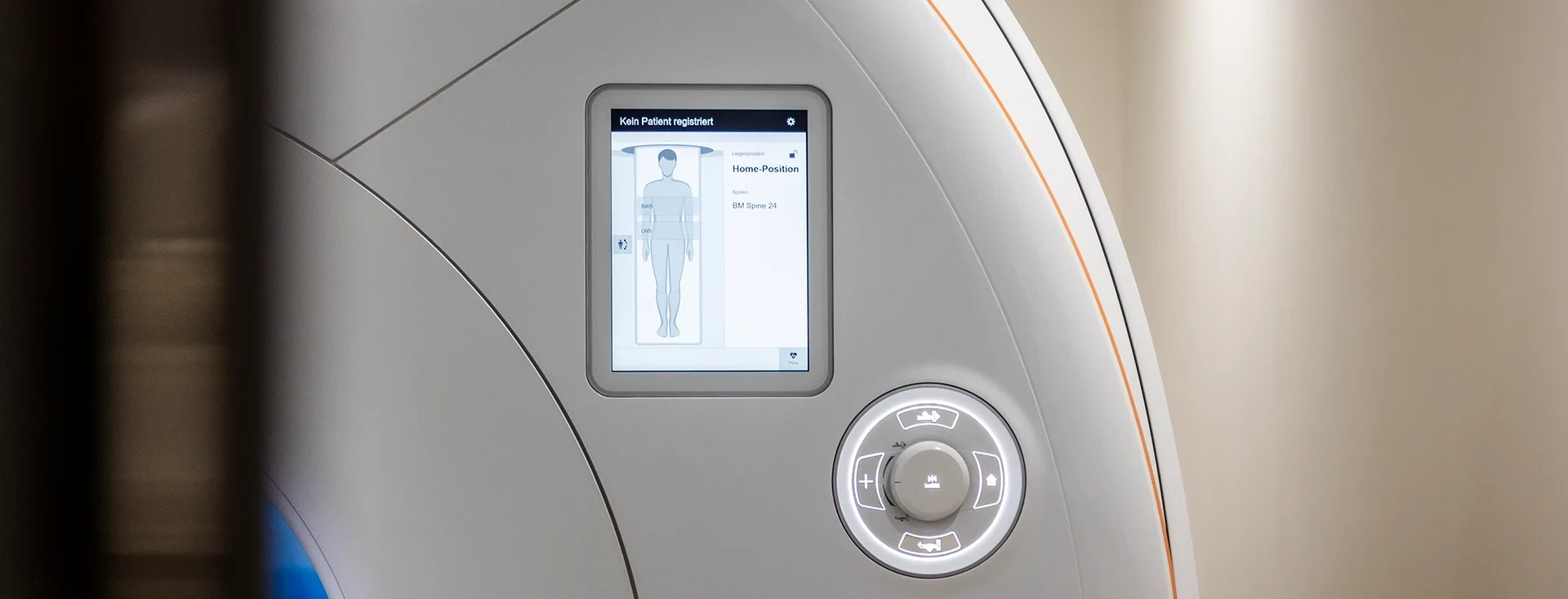
Image credit: diagnostikzentrum-wolfsburg.de
MRI Examines the body without Ionizing radiation
Magnetic resonance imaging (MRI) employs radiofrequency as well as magnetic fields to create detailed images. It does not utilize radiation that is ionizing. MRI is particularly helpful for viewing various types of organs, soft tissues joints, as well as various internal structures. Patients suffering from joint issues such as arthritis, for instance, could require additional information than can be obtained with a standard Xray.
The Wolfsburg Diagnostic Center also provides specific prostate MRI as well as whole-body MRI examinations. These programs take advantage of MRI’s capability to create clear images, but without exposing patients to ionizing radiation.
CT provides precise cross sectional views
CT approaches imaging in a different way. CT imaging is made through the combination of X-rays and computer processing. CT produces a slice-by -slice view of the internal anatomy, providing doctors with a different method to respond to certain medical concerns.
The center utilizes low dose CT, a modern technology that reduces radiation exposure for the purpose of obtaining vital information. CT imaging can also help in treatment. Periradicular treatment, or PRT is a targeted injection therapy that uses CT guidance.
The Standard X-Ray Still Does a Vital Task
Technology advancement hasn’t made traditional radiography obsolete. Digital X-ray diagnostics provide images in a short time and are still useful in a wide range of examinations, especially when doctors must evaluate structures such as bones. Modern digital systems are also able to operate with reduced radiation doses when compared to older methods.
Sometimes, the most difficult exam isn’t always the most effective one. The most reliable method of diagnosis is selecting techniques in accordance with the clinical problem and not based on the latest equipment.
Breast Imaging has its own specific technology
Mammography was developed specifically for breast diagnosis. Wolfsburg Diagnostic Center offers 3D mammography in addition the traditional mammography. It’s also known as tomosynthesis. The technology produces multiple images that are then processed to give a detailed view of the breast tissue. Specialized imaging matters because various areas of the body present different diagnostic challenges.
A dated image can make a New Image more useful
The body scan provides valuable data. A previous scan may be equally useful: the comparison. Learn more by clicking here MRT Wolfsburg
If medical professionals have earlier images and results, they may be better equipped to evaluate the changes in time rather as opposed to interpreting the present exam as a whole. This is why it is recommended that patients are urged, whenever they can to bring previous medical imaging results and images to their appointments.
It is best for patients to grasp the technology once they are able to use it.
The Wolfsburg Diagnostic Center The Wolfsburg Diagnostic Center combines MRI and CT with digital X-rays, 3D mammography, and image-guided treatment. Its focus is on patient communication and organization.
The center offers patients precise explanations regarding the exams as well as medical procedures. Educational videos are also accessible. The center also focuses on having a well-organized schedule and reducing waiting durations. Modern diagnostic medicine is based on advanced technology, however scanners shouldn’t have to be an uninspiring technical process.
Knowing the purpose of a specific examination and what can be expected can help patients feel more informed. Patients may also discover that modern medical technology is simpler to comprehend.