
Repetition of tasks is one of the major issues when dealing with artificial intelligence. An excellent AI assistant can deliver a fantastic response one time, only to forget the context in the next interaction. Developers will compensate by repeatedly providing the same information, files, or documents to keep a conversation productive.
This approach is becoming less effective as AI is becoming more prevalent in software. Intelligent systems need to save relevant information, retrieve it instantly and understand the changes in information in time. That’s why memory is becoming one of the main elements of the modern AI architecture.
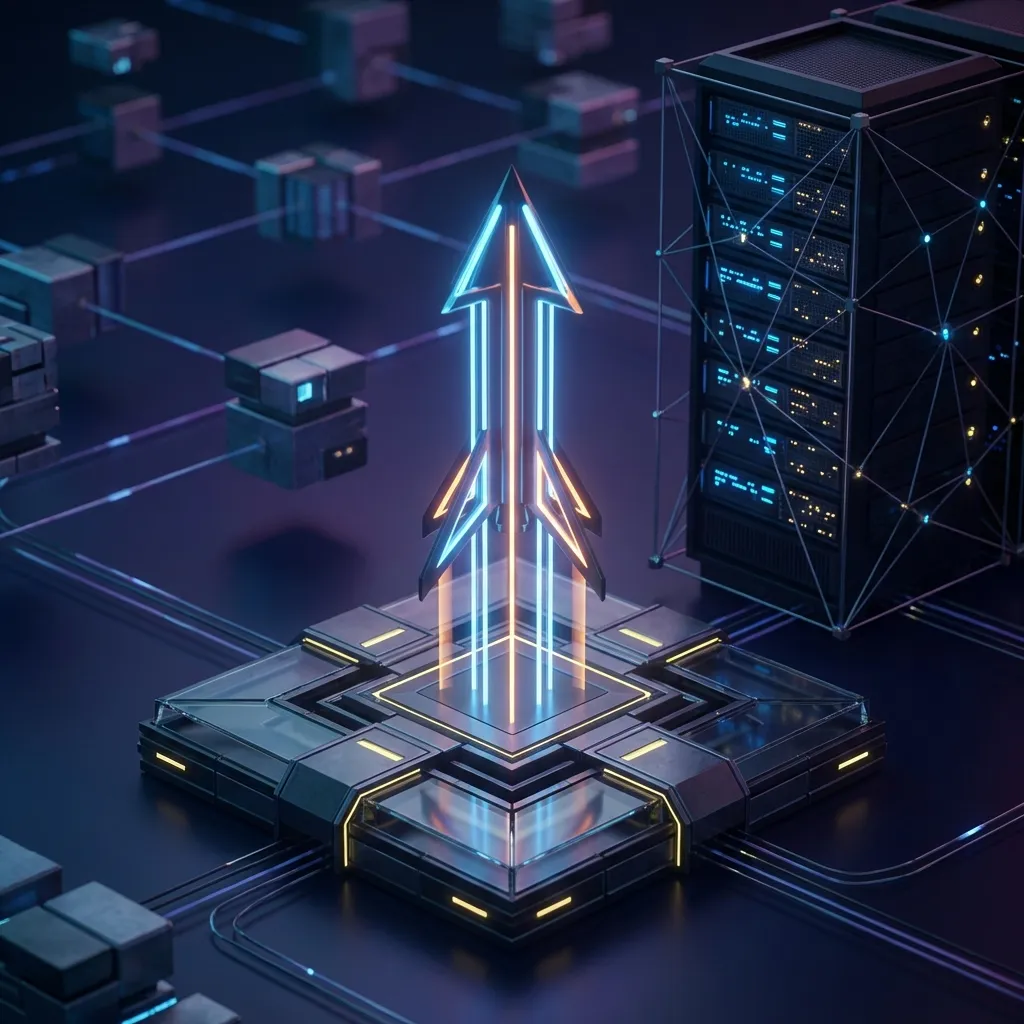
Memory transforms AI from being reactive to becoming intelligent
AI systems that can recall past tasks can behave differently than systems that start fresh every time. Persistent memory enables applications to better understand ongoing projects and detect recurring patterns. It also allows them to answer questions based on historical context rather than specific questions.
Telys was created to solve this problem. Rather than functioning as another cloud service, it operates as an embedded AI agent memory engine that stores and retrieves information directly within the application. This approach provides developers with a reliable method to maintain context and eliminate unnecessary computations. This results in an AI experience that feels significantly more natural due to the fact that the software retains the information that is important.
Making data local increases both speed and security
The speed of which an AI model is able to generate text is no longer the sole way to gauge performance. In organizations deploying AI speed of retrieval as well as system speed and security of data are becoming equally important.
Using memory on the device for AI agents allows them to access relevant data without depending on constant communication with external servers. Because memory is kept within the local environment of AI agents, queries can be accomplished more quickly and allow organizations to maintain better control over sensitive data. This is particularly beneficial for engineers who design internal tools, enterprise applications, and privacy sensitive apps, where the ownership of data must not be compromised.
Developers benefit from memory that works in the background
The development of intelligent software shouldn’t involve managing complex infrastructure just to store context. Developers prefer tools that are seamlessly integrated into existing workflows and do not add additional operational overhead.
Local MCP memory server makes that possible by allowing compatible AI development tools to access persistent memory directly in the local environment. AI assistants don’t have to keep transferring data between remote APIs. Instead, they are able to access the information that they require via local memory layers. This process speeds development and cuts down on latency for large teams that are working on projects with evolving codebases and documentation.
The future of AI is built on lasting context
Artificial intelligence has advanced from conversations that were simple to systems that are capable of analyzing, planning and completing tasks independently. These systems require a stable memory to store data across all interactions.
Telys is a standout as an innovative AI memory engine that provides persistent local retrieval designed for applications that need speed along with security, reliability and. Telys integrates on-device AI agent memory and an on-device memory server that is extremely efficient, allows developers to create software that can recall prior work and retrieve it instantly. It also improves over time.
As AI gets more integrated in business operations and products and processes, the ability to keep track of precisely will soon be as important as the ability to reason. Telys’ AI application development tool helps developers build AI applications that have greater speed along with intelligence and efficiency in the workplace. It does this by providing intelligent systems a continuous context, rather than just a short-lived conversation.