
A well-groomed garden is rarely started with expensive equipment or a beautifully landscaped property. Most of the time, it’s one who plant several seeds and pay attention to the results. This will help them make better choices next time around.
The Sproutstead is a resource for people who wish learn to grow their own food, improve the soil they cultivate as well as preserve the harvests and achieve self-sufficiency without getting lost in technical terminology.
The conditions of your garden are special
It can be confusing as gardens don’t have the same characteristics. A tomato grown in a sunny garden in one area of the country may behave differently from one with heavy soil and a shorter growing season in another.
Successful gardening and homesteading therefore involves more than following instructions. Gardeners can benefit from knowing their specific conditions: sun, soil structure, rainfall, temperature, growing season, available space, and the time they can realistically devote to maintenance.
The Sproutstead explains these variables to assist readers in adapting gardening techniques to their personal home, rather than attempting to duplicate someone else’s perfect setting.
Vegetable Gardening begins beneath the Surface
The plants that are visible to the eye catch the eye However, much of the gardens’ success is also determined by what’s beneath the surface.
A balanced soil is vital to ensure drainage, water retention, and the absorption of nutrients. Composting can help improve soil over time, and mulching can keep moisture in the soil and stop the expansion of plants. The process of gardening with vegetables is more simple if you are aware of the fundamentals. The right conditions for growing provide plants with a stronger foundation.
Also, planning is essential. Plant spacing, crop timing along with companion planting and seasonal succession can determine the efficiency of a gardener’s use of the limited space.
The Tomatoes Can Teach Us About paying attention
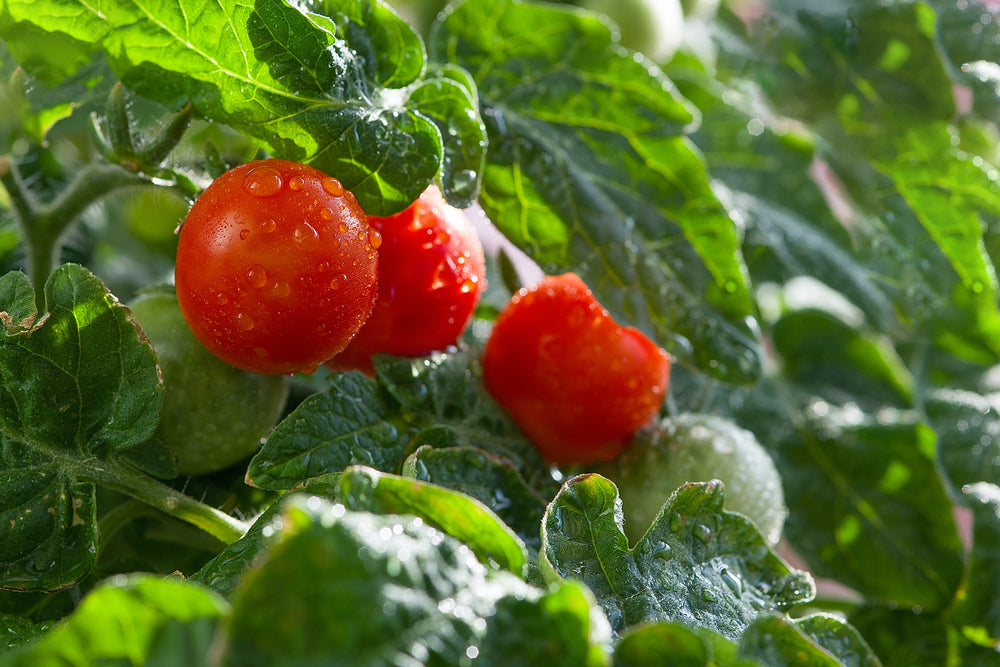
If you ask 10 gardeners about tomatoes, and you’ll likely hear ten different stories. They’re among the most sought-after backyard crops, yet they also show how many factors affect the growth of a plant.
Anyone looking to learn how to grow tomatoes must look beyond the the depth of planting and fertilizer schedules. They require adequate sunlight, regular watering in a soil that is suitable and a proper spacing once they reach maturity. The selection of tomatoes is crucial because conditions for growing, space available and their intended uses could affect which tomatoes are the best.
It might not be feasible to solve the problem by adding more fertiliser. The issue could be caused due to excessive nitrogen, high temperatures, inadequate sunlight or even problems with pollination. Observing the entire plant is more efficient than treating every indication.
Harvesting is only part of the story
The process of growing twenty pounds of vegetables can be a bit less rewarding when half of them go bad before being eaten. A thoughtful home-growing system considers what happens after harvest.
Canning, freezing, drying and sharing surplus produce can increase the value of what you plant. It is also possible to save seeds for later use or compost any scraps that are unavoidable. Backyard chickens, herbs fruit trees, as well as composting may eventually become components of the same system.
It’s not mandatory to try every single homesteading strategy at once. Making progress in growing lettuce making a compost pile more productive or preserving your first batch of tomatoes grown at home is significant progress.
Knowledge is Power: More Effective Gardeners are created by using Practical Information
It is not possible to guarantee perfect plants with the most useful gardening information. Pests, weather, and seed failures can differ from region to region.
The Sproutstead regards these realities as a fundamental part of the process of learning rather than as an exclusive feature. Through connecting subjects such as soil and seeds, vegetable seed-starting, pests, preservatives, backyard chickens, or self-sufficiency with other subjects like preservation, backyard poultry, or self-sufficiency, readers will gradually master the art of growing the garden.
The same principles apply to building a more productive garden at home, slow, season by season and with a solid foundation.