
As you reach the final stretch of pregnancy, you naturally begin to focus on the impending birth of your precious baby. The third trimester is marked by a profound emotional and physical change. You are likely finalizing the birth plan and packing your hospital bags and putting up the nursery to ensure everything is just right for your precious one. It is vital to prepare your body to be ready for birth and labor. It is vital to prepare your body for the birth process, because it could significantly impact the overall experience. Making sure your pelvic area is prepared can assist you in feeling more confident as well as reduce stress and ensure a better birth experience.
Understanding the significance of Pelvic Floor Conditioning
Perineal massage is one of the best methods to prepare for birth physically. It is a must to make regular part of your schedule. The gentle stretching technique begins in the third or fourth week of your pregnancy. It focuses on the delicate region between the vagina and the anus the perineum. This method of stretching is designed to increase blood supply and make the tissue of the perineum flexible and elastic. This particular region can be made more elastic by regularly conditioning it. The conscious effort encourages the tissues to naturally expand in order to offer the best and most controlled baby’s birth.
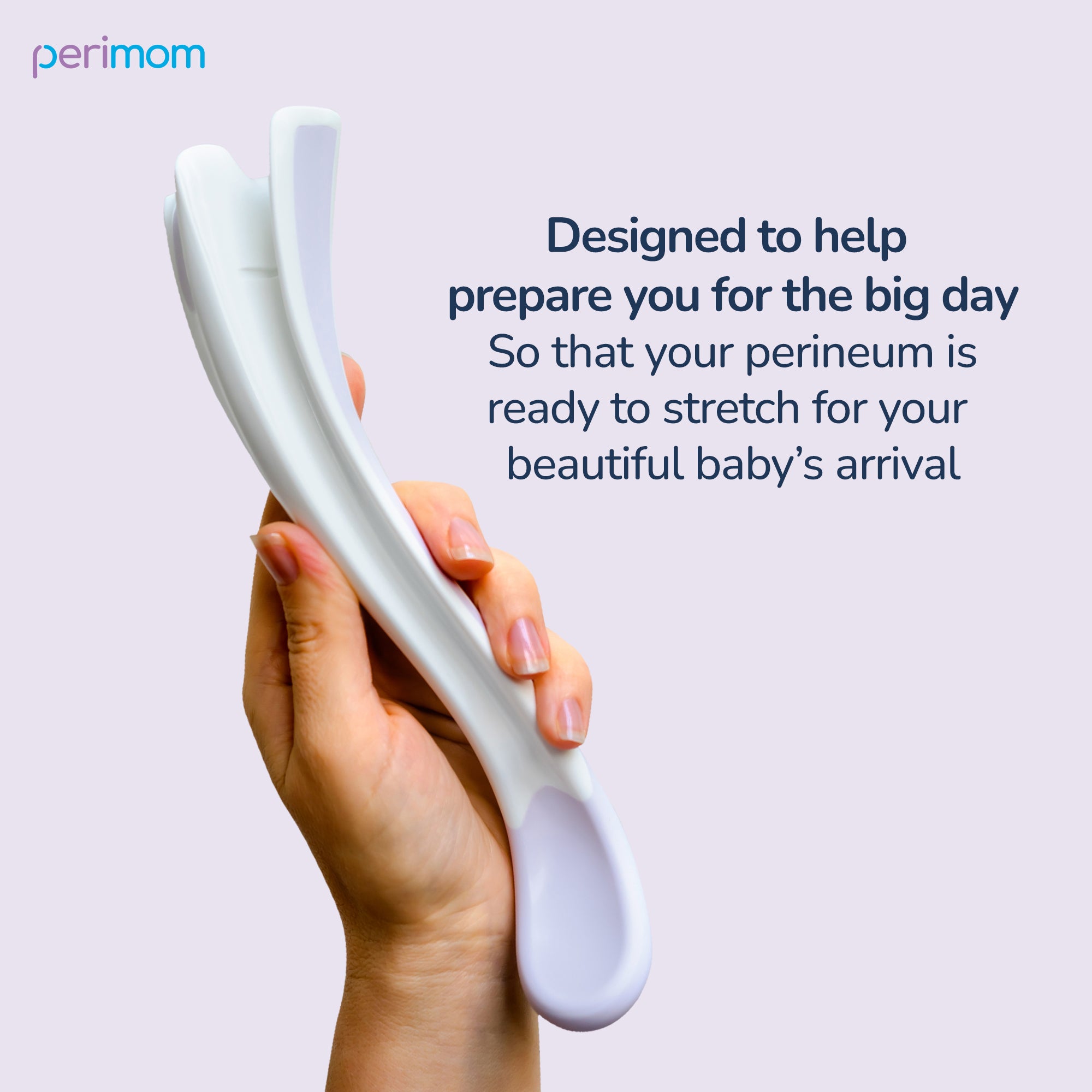
Image credit: perimom.com
The Physical Challenges Late Pregnancy
Although the benefits of prepping the pelvic floor are widely recognized and are backed by childbirth instructors, the practice of massage can be extremely difficult for mothers who are expecting. Reaching around a prominent and beautiful baby bump in the 34th week of pregnancies requires some flexibility, which most women don’t have at this time. Manually performing the stretches can cause wrist strain, awkward postures and physical discomfort. Many women find the process too physically demanding and uncomfortable that they decide to stop completely, thereby missing the enormous benefits that muscles conditioned offer during the critical pushing phase of labor.
The Ergonomic Solution For Expectant Mothers
To solve this common struggle, health professionals have designed an ingenious perineal massage device which completely changes the birth preparation process. This innovative device allows you to quickly and comfortably reach your pelvic floor with no painful or uncomfortable wrist stretching. By utilizing this specialized perineal massage tool, new mothers can finally achieve the exact angles and soft pressure required to effectively stretch the tissue. The ergonomic design offers the user full control, transforming the task of stress into a soothing experience. This remarkable device puts the power to prepare for birth in the hands of the mother, so she can move her body in a relaxed way and accept the baby.
Nourishing the Tissues for Maximum Flexibility
It is crucial to utilize a conditioning lubricant of high quality when you are preparing your birth routine. The skin is moisturized and softened to allow for smoother and more efficient stretch that is less prone to friction and discomfort. Using a dedicated perineal massage oil, specifically formulated with nourishing ingredients like smooth almond oil, helps condition your tissues for maximum flexibility. The delicate skin will be deeply soft and hydrated, ready to expand once it’s time to press. Modern technology in packaging, like the pump that is one-hand makes it simple to deliver exactly how much oil you need, without disrupting your restful routine.
Be in Control of Your Birthing experience
At the end of the day, advances which help you have a better experience and more relaxing should aid your journey. Preparing your pelvic area with specially-designed equipment and conditioning oil can help you have a pleasant birth experience. Begin your journey of birth with these easy and safe preparatory techniques. With the proper preparation and the appropriate equipment, you’ll be able to tackle your delivery day confidently, knowing that your abdomen will definitely thank you later.